
The past few months have been a deep dive into exploring ideas, tinkering with Unreal Engine 5, and stress-testing the foundations of a game I’ve been thinking about for a while. I went wide, knowing that this early phase was about discovery as much as development. I prototyped a lot. I scrapped a lot. I learned a lot. Somewhere along the way, I found the shape of what I wanted to build.
What started as a sprawling systems-heavy concept has since been distilled into something tighter and more sustainable. The strategy mode was the first to go. I loved the idea of switching perspectives and commanding units, but the AI demands quickly snowballed. That’s a system for another project. Vehicle combat was fun but pulled the game in another direction.
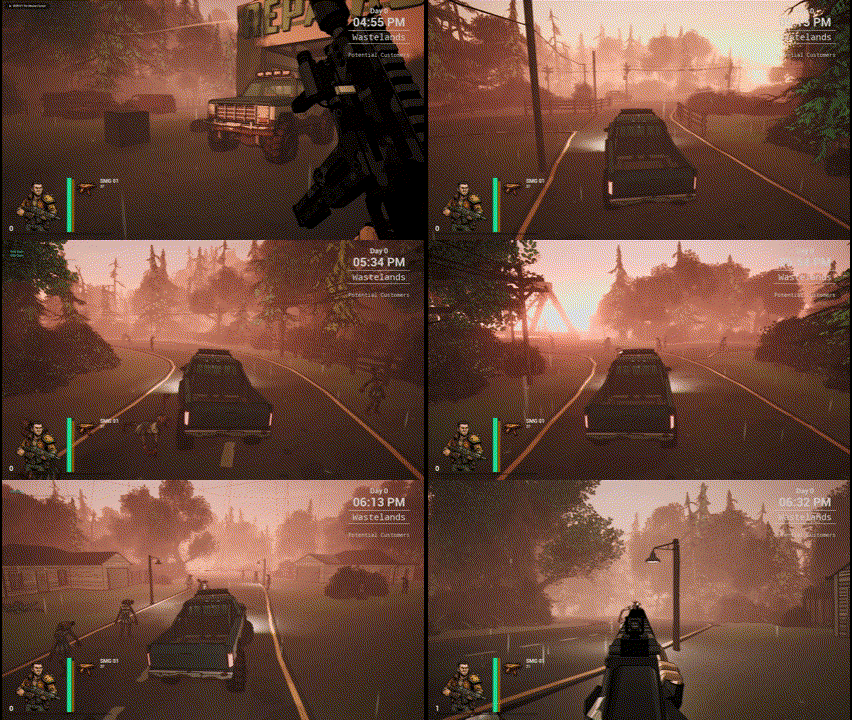
What I’ve landed on is this: a first-person shooter meets vehicle-based roguelike. You explore a generated wasteland in a vehicle that doubles as your lifeline. I want to keep it simple. Last week I migrated my exploratory project to it’s final resting home on my storage drive, and kicked off work on this new project.
Dev Update: The First Week
This first week has been about building a foundation, keeping things clean, organized, and focused.
🎯 Design & Direction
- Scope Refinement: Strategy control and Vehicle combat are out. I’d like to keep some parts of both, but only things that can be implemented that don’t introduce more design work. These two areas just had too many dependencies for this project.
- Establishing Pillars: Exploration, Combat, and Hot Dogs.
- Pipeline Decisions: Finalized which Unreal features and workflows to commit to for gameplay, art, and scalability. Decided against further exploration dev—everything in service of core gameplay loop and immersion for now, MassEntity/AI, other investigations later.
🛠️ Project Infrastructure
- Project & Source Control: Created a clean Unreal 5 project and integrated it with Perforce and UGS, prepping for collaboration.
- Art Repo: Set up a versioned art repository to manage all assets and source files cleanly, setting up for scale and collaboration.
- Tooling: Developed custom tools for game & level design setup to assist world build, encounter setup & design.
🧱 Core Systems
- FPS Controller Integration: Brought in and customized the FPS controller to lay the groundwork for building upon player interaction and moment-to-moment gameplay.
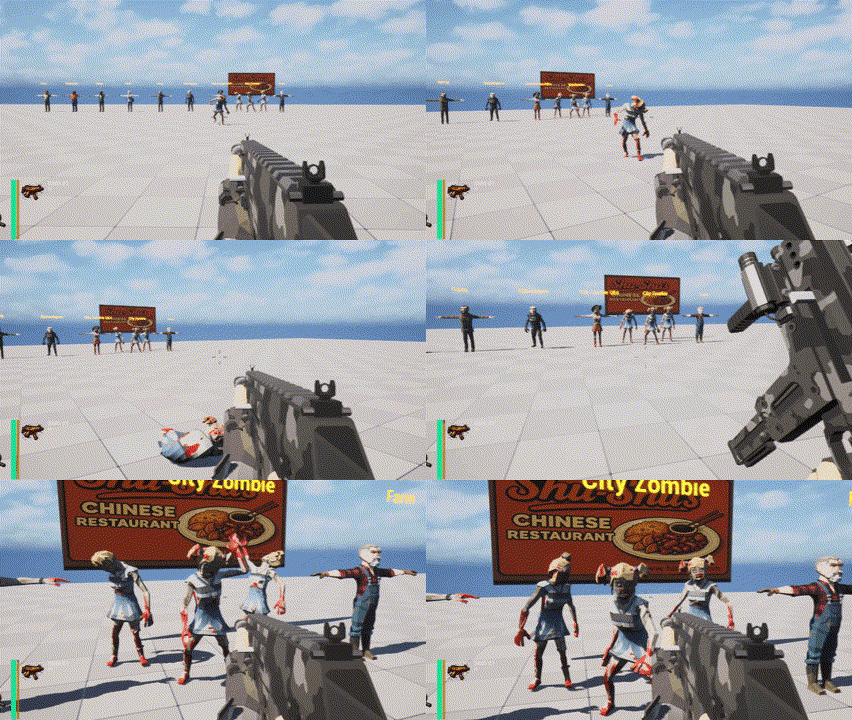
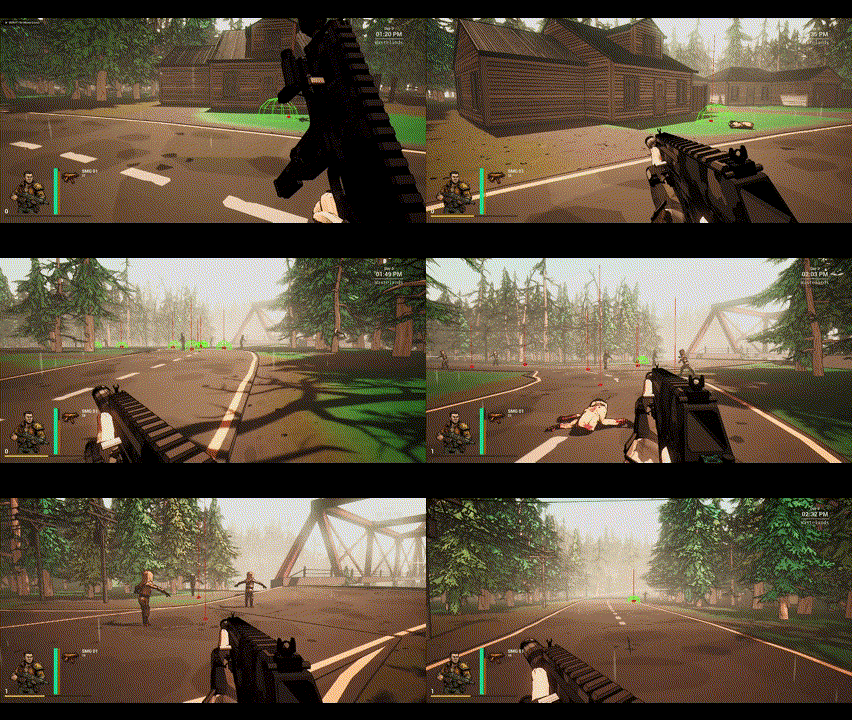
- Gameplay Systems: Basic core systems are in—players, weapons, and vehicles can interact with the world and NPC’s. Basic progression is starting to form.
- Encounter System: Built the first version of a dynamic encounter system director that will power the game loop—handling enemy waves, survivor events, and ambient world activity.
- Streaming & Loading System: Implemented a background loader and event trigger system for dynamic world streaming, NPC spawning, and gameplay events.
🧠 AI & World
- Enemy & Friendly AI: Created both hostile and neutral AI types and behaviors, actions with functional animation pipelines ready for more animations and behaviours.
- Vehicles: Playable vehicles working with supporting features. This area should get a lot of development in the next cycle.
- Day/Night Cycle: Functional gameplay time system with day tracking, attrition, weather, and dynamic gameplay events. Time to think about what can happen in a day.
🌎 Worldbuilding & PCG
- PCG Foundation: First pass on procedural generation—laying the groundwork for cities, farms, and forests using a mix of library assets and custom content.
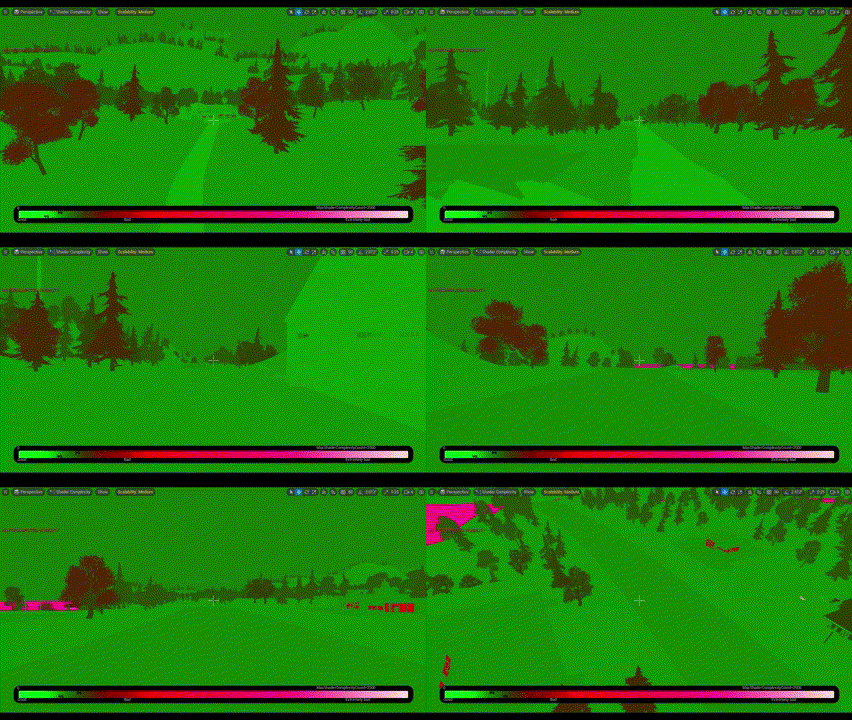
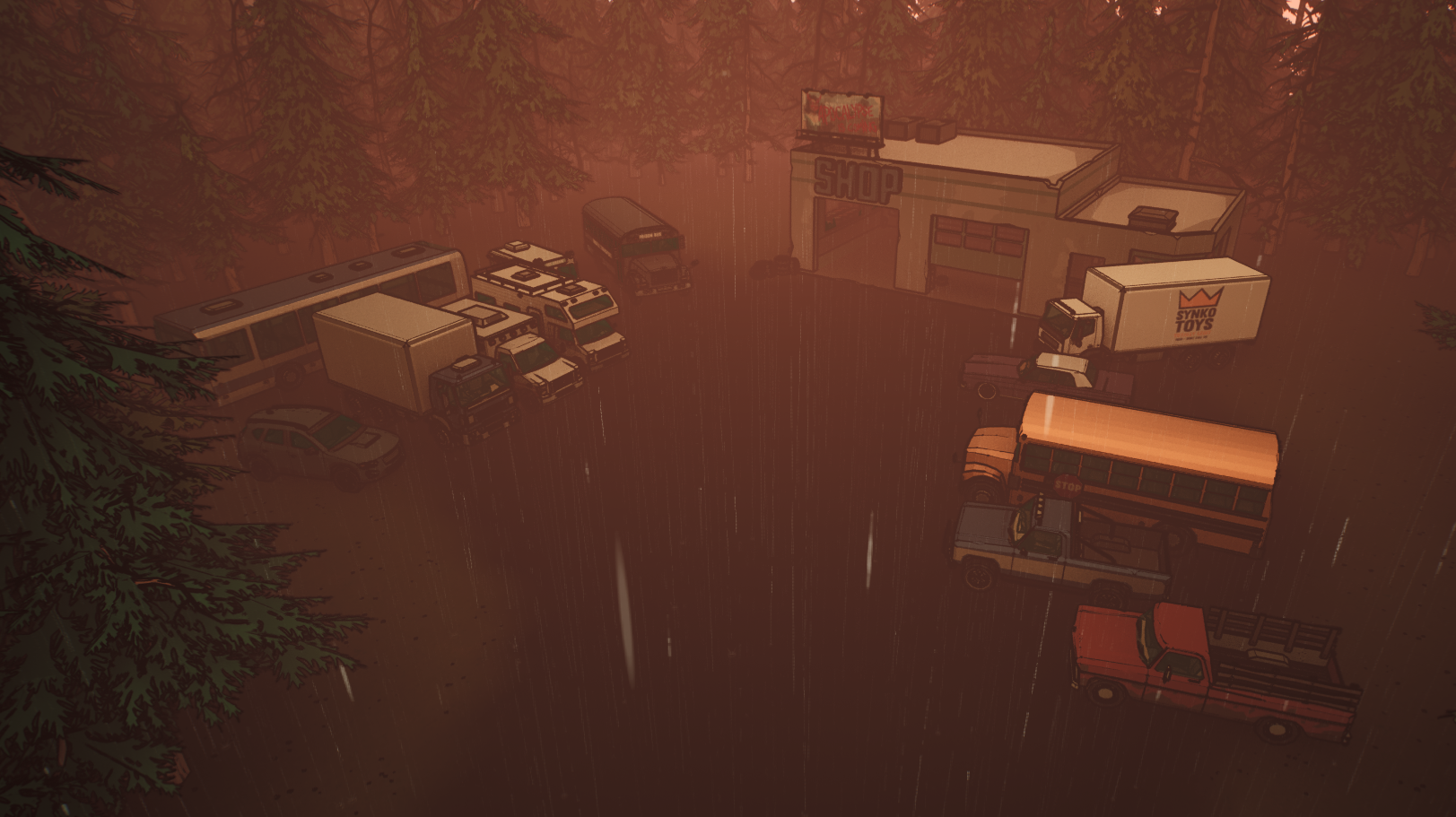
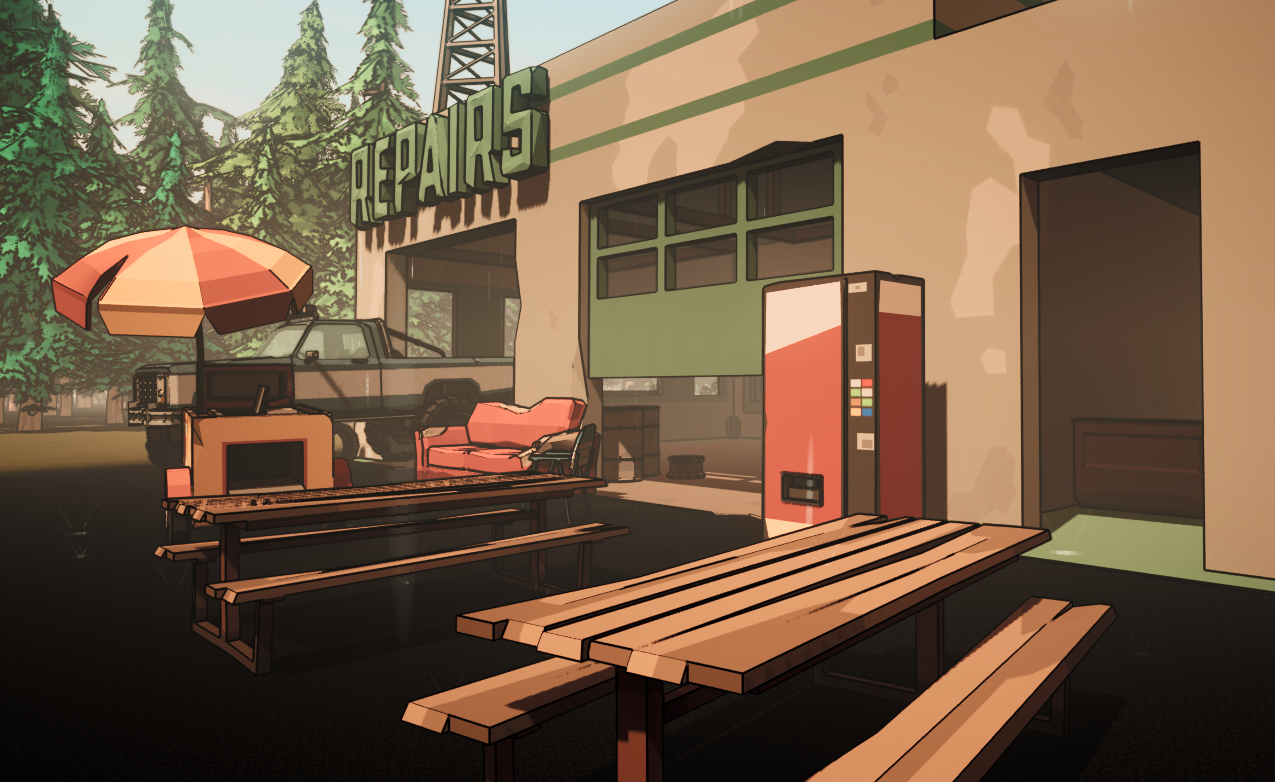
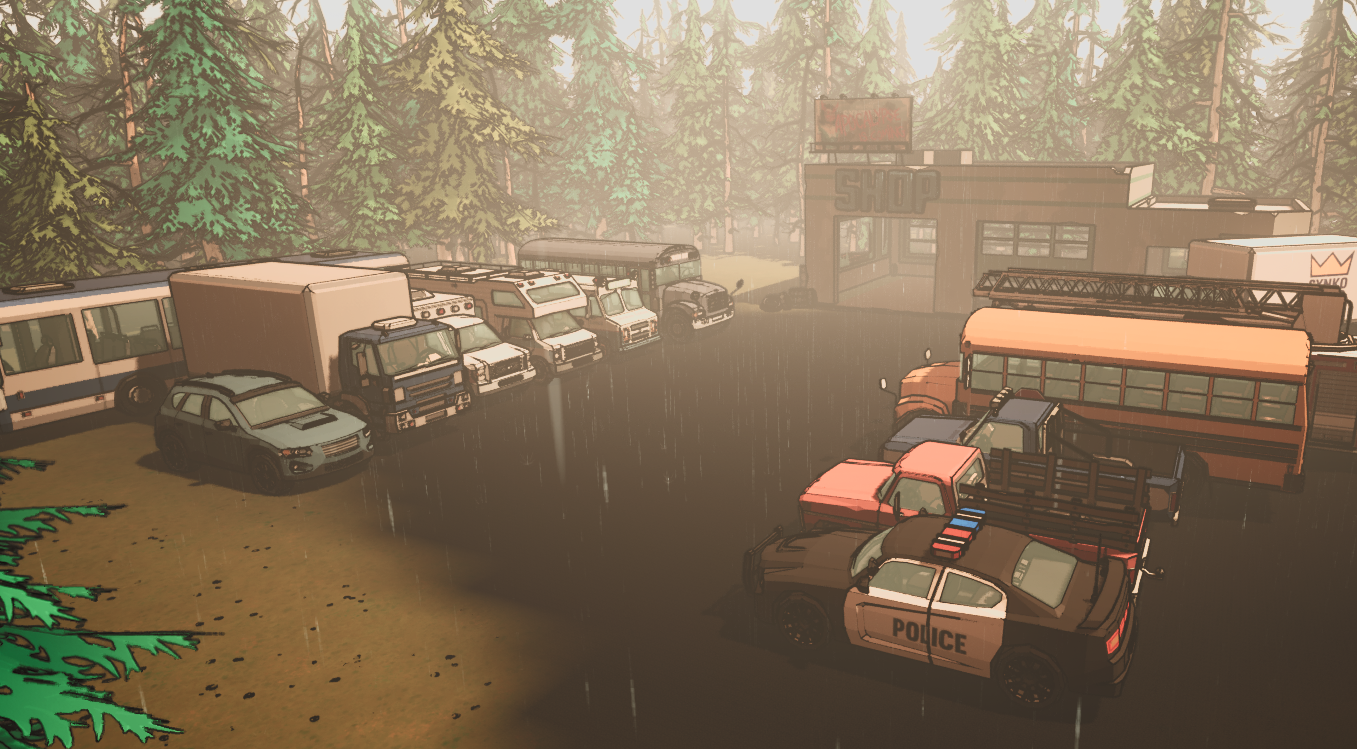
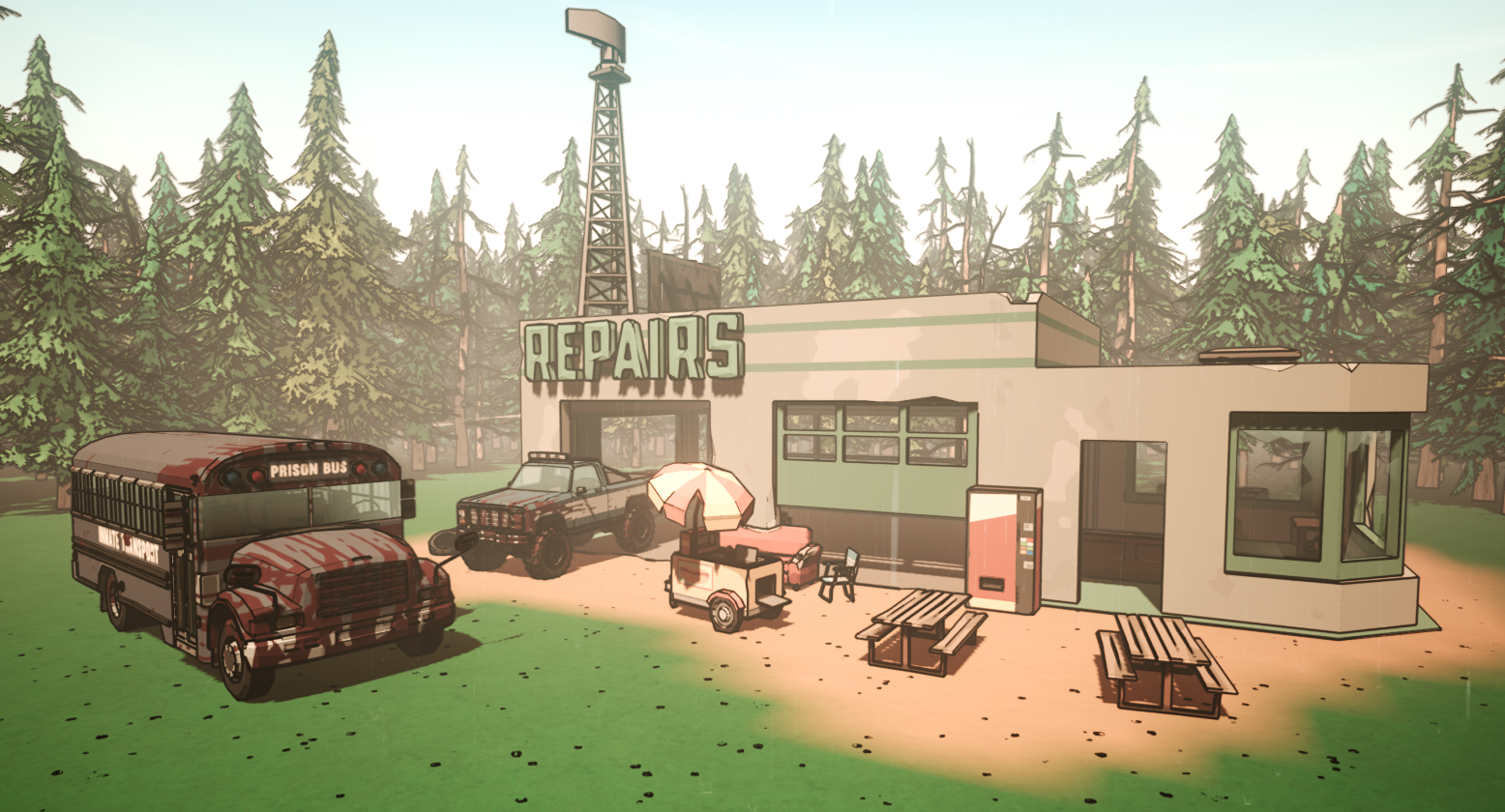
- Level Art & Visual Style: Spent time merging various shaders and asset libraries to create a unified visual identity. Optimization pass included unifying rendering methods to reduce draw calls, shader complexity, and leveraging nanite.
🖥️ UI & Presentation
- UI Systems: Early UI is live and functional—includes HUD, interaction prompts, I focused on support for all core player systems and feedback loops mentioned above.
- Art Style Foundations: Locked in a rough, basic stylization pass with what I have. I plan on driving this a lot further once I have the core gameplay elements refined. Extremely happy with the Synty art repository as a foundation, I can focus on other things than bricking out simple geometry.
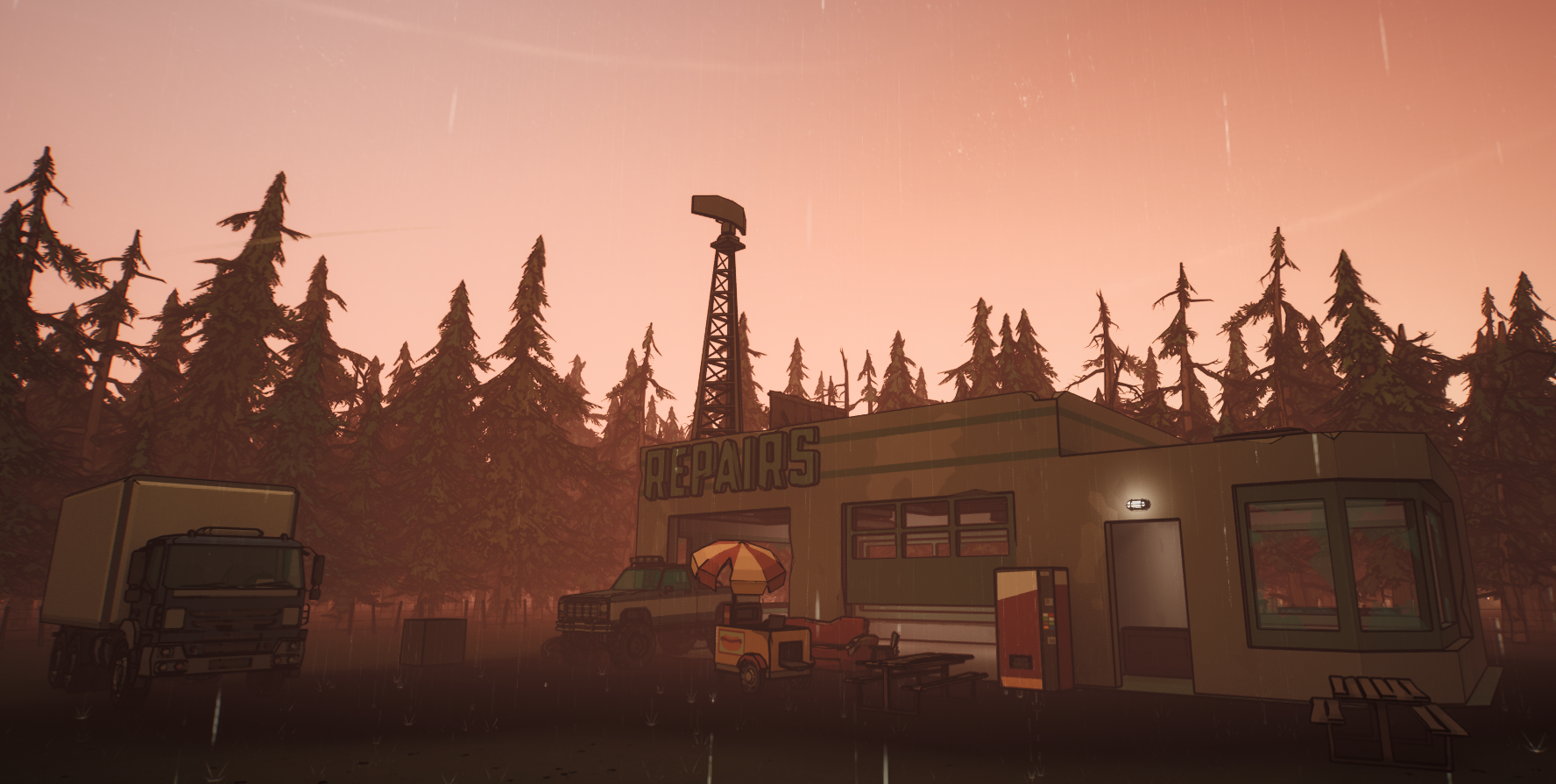
The goal now is clear: get to vertical slice. That means finishing the gameplay loop polish, expanding the encounter event system, finalizing player progression, and making the UI feel punchy and reactive. More to come soon—but for now, the wheels are turning.
Thanks for reading✌️
 Tyler H | Designer
Leave a comment